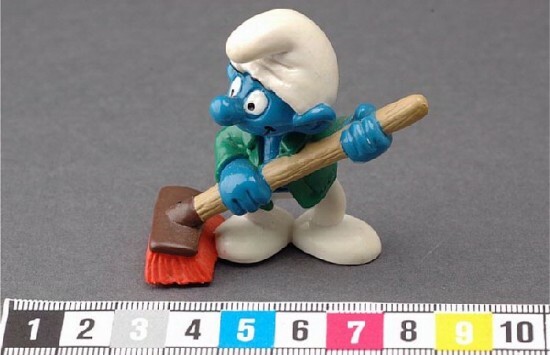
The smurf with his broom was donated to the project ‘Future memories’ at the National Historical Museum, 2007. The smurfs are currently experiencing a revival with a new 3D-movie, after a rather perishing existence for some decades. The first comic strips with the smurfs were created by Pierre Culliford (Peyo) in 1958, a Belgian artist. During the 1970s the plastic figurines were immensely popular toys. The smurfs’ society has been accused of being socialistic, totalitarian and racist. Be that as it may, it’s also an almost exclusively all-male society where there is just one female around, The Smurfette. Form my own experience, the Smurfette figurines – there were several versions of her – tended to be less balanced and difficult to get to stand with the other smurfs (being a ballerina or for some other reason balancing on one foot). The smurfs definitely don’t encourage a strong, feministic view of women. On the other hand, they do encourage children who play with them to come up with other role plays and unions than the usual male and female stereotypes and heteronormative family play, which many other dolls and figurines more or less automatically point towards.
The ca 9000 year old skeleton of a woman that’s known as Bäckaskogskvinnan, the Bäckaskog woman, was found 1939 in Scania. For many years she was more known as Fiskaren från Barum*, The Fisher from Barum. This is one of the oldest and most well preserved skeletons from the Mesolithic Stone Age within the borders of Sweden. The woman was ca 150 cm and about 45 years old when she died, and she was buried in a sitting, crouching position. With her there was a flint-edged bone arrow and a chisel-like bone object that may have been used as a kind of needle for making/mending nets, for digging for roots etc., or for something that we can’t identify. The skeleton was interpreted by archaeologists as having been a man, although there were many uncertainties regarding the gendering; e.g. the size was considered too small for a man and the pelvis and skull not having specifically defined male features. One reason that was used as support for the theory was the arrow with the flints which indicated that the owner had been a hunter, and therefore presumably a man. This interpretation came to dominate until 1970 when a new examination of the pelvis was undertaken and it was discovered that it had marks from several child-births. The fisher became a woman. At the same time the epithet changed from including an imagined occupation to defining the person’s gender. Apparently the person from Bäckaskog couldn’t keep the epithet ‘fisher’ anymore after it was decided that she was a woman. (*Bäckaskog is the name of the castle on which properties the find was made, and Barum is the name of the village where the castle is situated. Both place names are used for the find but Bäckaskog is the name that is regularly used by the National Historical Museum.)
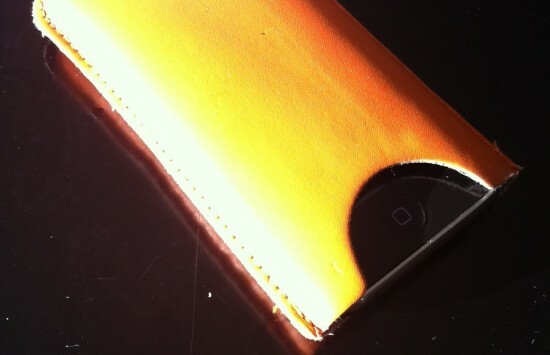
This device is vital for my relationships with my extended bio- and chosen family. It is used for social media such as facebook and twitter which is also vital for my community connection and interaction as well. I use skype for video-dialogue with family and friends since I often travel and and also have long distance relationships. The text and mms-function is also used to chat, share thoughts and moments as well as more intimate and sexy exchange. When it, during network problem for example, is not working it’s functions are very much missed. It is bought at a store in Stockholm in 2009.
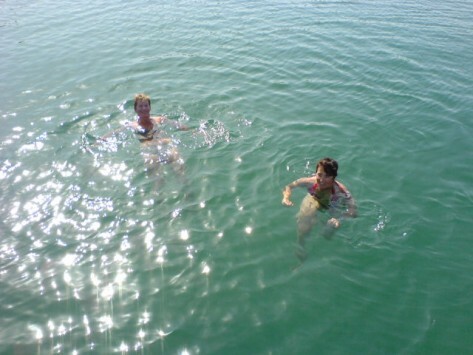
Scala Eressos, Lesbos, Greece. Where women go from all over the world to met and make new friends and lovers. This is a picture of my new friends from Amsterdam and San Francisco.
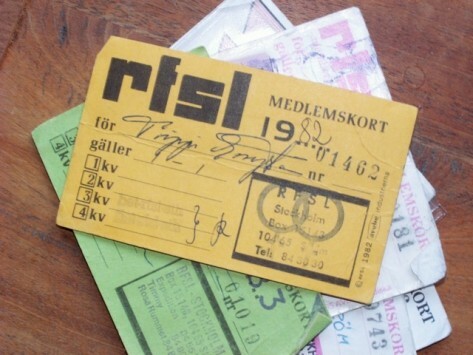
I became a member of the swedish lgbt-organisation in 1982, RFSL. I was 19 years old and happy to live in a country where there was somewhere to be a member. I still am. By then I was the only dyke in a small town. I got new friends when I moved to the capital.
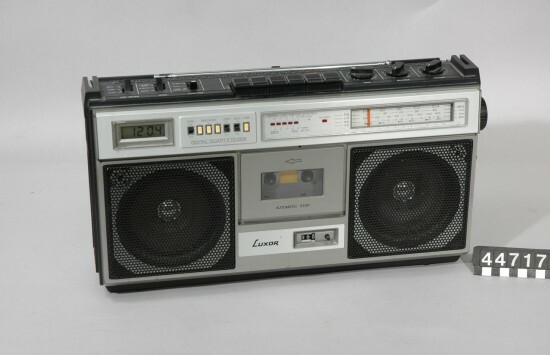
Radio tuner used in the studio at Stockholm’s Gayradio to listen to and check their own broadcasts. The first program was broadcast on 31 May, 1979. Initially, broadcasts lasted 15 minutes, once a week on 88.0 MHz. During the 1980s, the usual times were Thursday and Sundays, 7:30-8:30 pm. Listeners were most interested in personal life histories from homosexuals who had come out, short stories read aloud, news from the gay movement’s front line and recorded church services for gays. The strength of the radio medium in this context was that listeners were not identifiable. You could listen anonymously.
The cassette radio used by Lennart Johansson around 1980, when he was 15 years old, to listen in secret to programming from Stockholm Gay Radio and broadcasting on 88.0 MHz. At the time, Lennart was afraid his mother would find out he listened to Gay Radio.
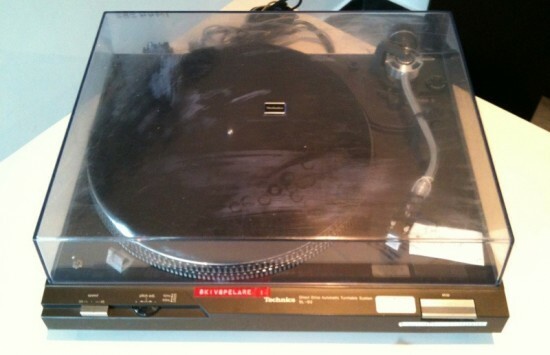
Record player used at Stockholm’s Gayradio when it began in 1979. Examples of artists often played were the Village People, Tchaikovsky, Rod Stewart, Tom Robinson, Frank Zappa, Joan Baez. The aim was for the music not to be representing heterosexual norms. The signature melody was ”Birdland” by Manhattan Transfer, describing club life in New York.
These bones are from a grave in Västerbjärs in the Gothem area in Sweden and is a part of the collections of The National Historical Museum in Sweden and the permanent exhibition "History of Sweden". The bones are also represented in the traveling LGBT exhibition "Article 1".
A picture of an evening at one of Stockholms gay bars, Mälarpaviljongen. Only opened in the summer, The picture is of a glas of wine and the view over the water.
Amyl nitrite and several other alkyl nitrites, which are present in products such as air freshener and video head cleaner, are often inhaled with the goal of enhancing sexual pleasure. Very common among homosexual men. It’s legality differs around the world.
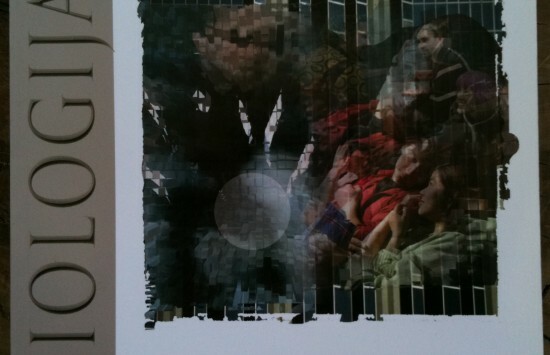
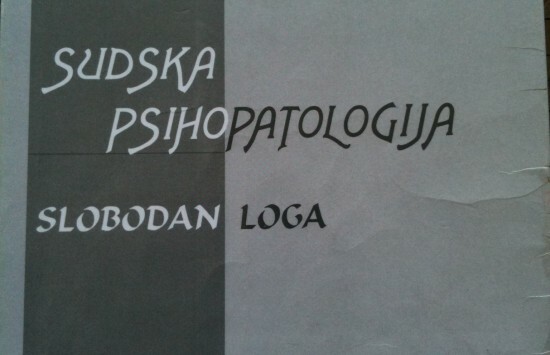
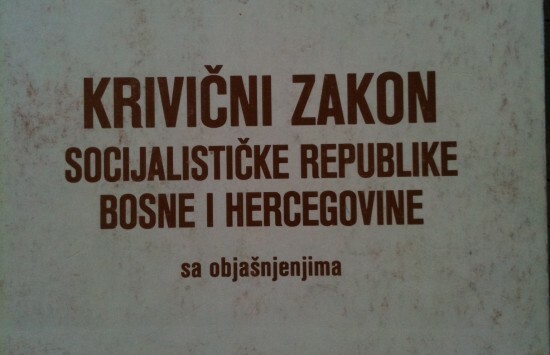
I got it in Sarajevo, Bosnia Hercegovina from a group of students involved in an exhibition about human rights called Article One. It was used as a part of the exhibition. I did an installation with several books and this was the only book that did not reflect on homosexuality as something extremely abnormal. It is a textbook used for teaching in highschool.
I got it in Sarajevo, Bosnia Hercegovina from a group of students involved in an exhibition about human rights called Article One. It was used as a part of the exhibition. I did an installation with several books and this one showed how homosexuality was thought of in the same way and mentioned in the same context as pedophilia.
I got it in Sarajevo, Bosnia Hercegovina from a group of students involved in an exhibition about human rights called Article One. It was used as a part of the exhibition. I did an installation with several books and this book showed what the penalty for diverse sexual behaviour could be.
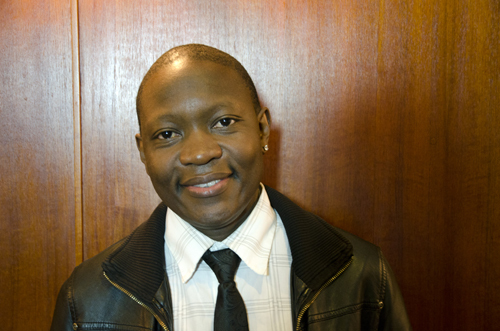
Imagine this guy was born female, but now called Sir on the streets of Kampala and the rest..
For many of us under estimate the power of God and knowing his image is more broader than what we are..
What a challenger he his..
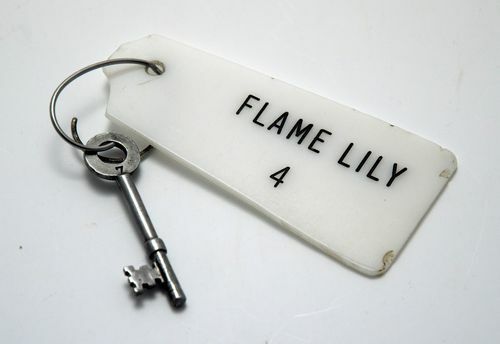
This key i forgot to submit it when i checked out of the Flame lily lodge in Bulawayo, Zimbabwe. I was my third time using the same room and on the last occasion i accidentally took this key with me. This room holds many memories for me. I then realised that probably my forgetting the key was not a mistake. I took all the memories with me and this includes this key which opened the door to my happiness. Now i want to share it with the museum, because as a Trans person living in a hostile environment, i can use this key to open doors of opportunity and know that my happiness depends on me.
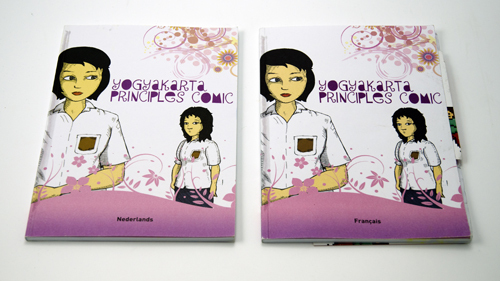
Yogyakarta Principles are the principles related to Sexual Orientation and Gender Identity rights which was developed on 2006 by human rights and law experts gathered in Gajah Mada University in Yogyakarta Indonesia to respond any forms of violence reported from all over the world. Institut Pelangi Perempuan (Indonesian Young Queer Women Organization) published the Yogyakarta Principles comic in order to create youth friendly media and easier understanding of the principles for the LGBT Youth. The comic is based on some true stories of young queer women in Indonesia and we relate it to the principles. It was published on 2010 in Bahasa Indonesia and 2011 in English and then LGBT organizations in Belgium on 2012 translated the comic into the Dutch and French, there were some international respond to translate the comic into their own language to use the comic for their community.
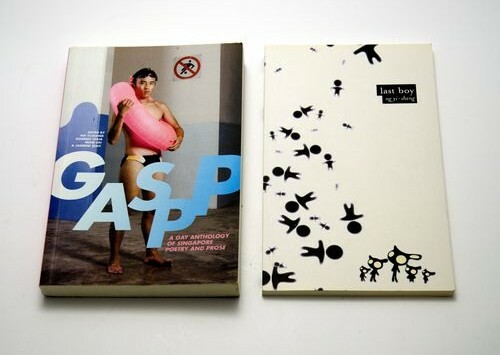
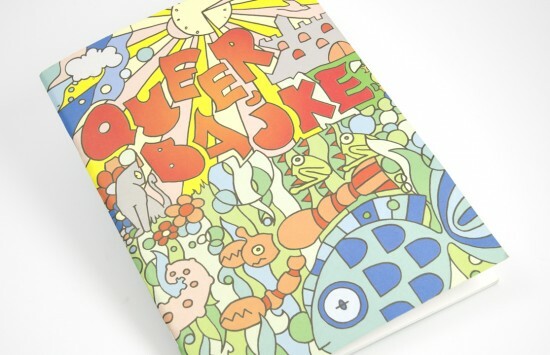
Even though the Singapore government censors a lot of gay themes in the arts, there are still many gay writers in Singapore. (My poetry collection “last boy” has major gay themes, but it still won the Singapore Literature Prize in 2006.) The first time we held IndigNation, our queer cultural festival in 2006, we organised a queer literary reading called ContraDiction. I was a performer then; every year since that I have been a curator and organiser. My friends and I decided to create a collection of writing by Singapore’s LGBT writing. We decided to include writing in all our national languages. So, in “GASPP: a Gay Anthology of Singapore Poetry and Prose”, we have poems, fiction and non-fiction in English, Chinese and Malay. The book was not banned. Instead, the government told all the major bookstores that it was investigating the book. This meant they were afraid to carry the book on their shelves, so we didn’t sell so many copies. Now, the ban seems to be lifted, and our print run has sold out.
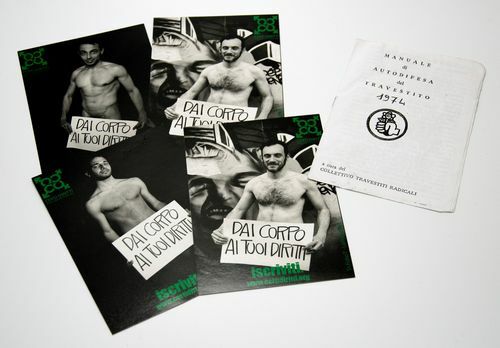
This is the first manual of self-defense produced by transexual people part of the Collective of Transvestite Radicals affiliated to the Radical Party in Italy.
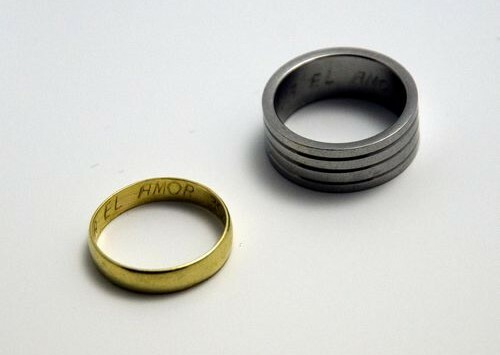
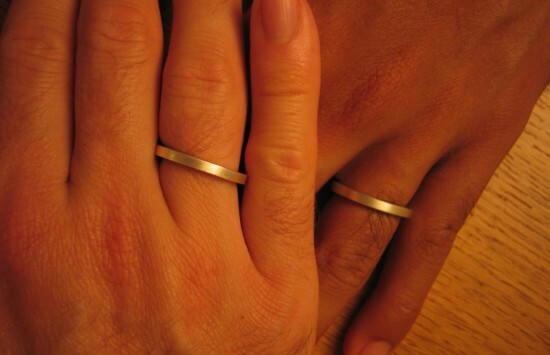
The silver ring is for when we got married with our friends as witness (1999), and the golden one is for when we got married legally with our kids and grandchildren as witnesses (2010).
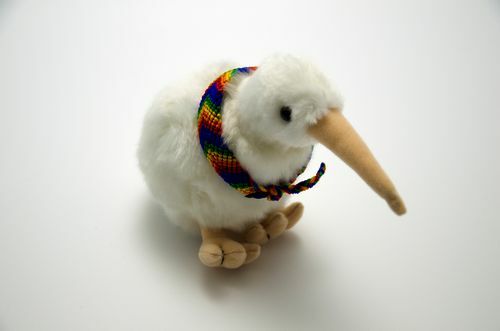
In New Zeeland Kiwi’s are usually born brown or black in color. But every so often a white kiwi is born. Maori people consider these birds a treasure BECAUSE they are different. I thought it a suitable symbol to bring here, as the first person from NZ to talk about difference as an interest person – thank you
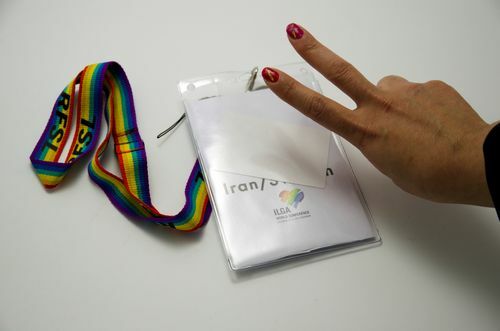
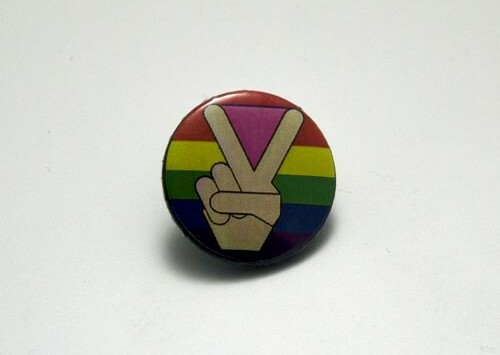
This is a pin with all the colors of our identity (rainbow & pink triangle) and with the hand doing V of Victory. But in Argentina, the hand means Viva Peron, a political movement that is important to the rights of the women and, in the last years, the LGTBIQ rights, we have Same Sex Marriage and a very avant garde Gender Identity Law, the best around the world. That´s why I pin my meet with that badge.
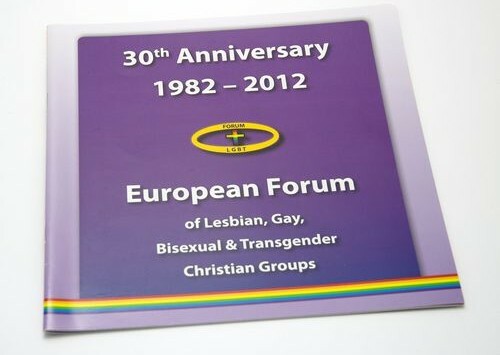
Our brochure tells some stories of people of faith – and their journey together. From a small idea the group has grown to over 40 member Groups from more than 20 countries around Europe.
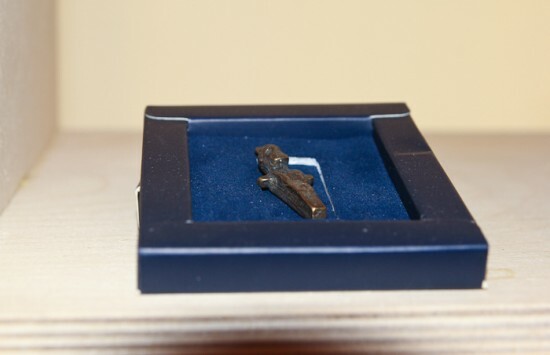
Den här amuletten fick jag av en serbisk vän som köpte den till mig och min fru på Museum of Macedonia, det är en replik av ett föremål i deras sammlingar.
Vi var i Skopie ,och arbetade med utställningen Article one, och vår vän letade i mueets shop efter en bra present. Personalen började engagera sig och ansåg att Herm (son till Hemes och Afrodite) skulle vara en perfekt gåva.
En nymf blev förälskad i den vackra ynglingen Herm och ville förenas med honom. Nymfen bad gudarna om hjälp blev bönhörd…… så deras kroppar blev förevigt förenade till en ”varelse” som förenade den manliga styrkan och den kvinnliga skönheten..
We made the banner “Our rights are more important than your gas” together with the German organizations Quarteera and LSVD for the gay pride 2011 in Hamburg. We made it in 20 minutes and I was afraid that the words would leak in the rain.
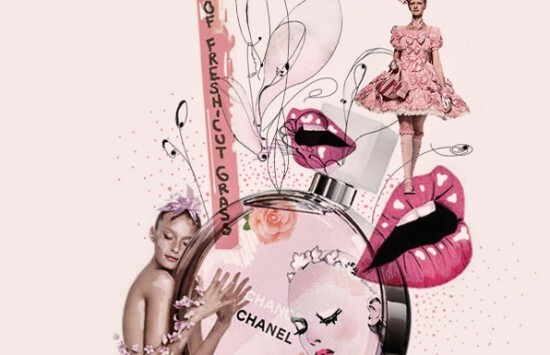
Once a woman I really liked came to visit me. It was an exciting event, we talked all night, and something like a romance started between us. The next morning my old schoolmate unexpectedly came. When we all were sitting in the kitchen, the woman, to my surprise, switched to him. They started dating, and I kept friendly relations with her. She recently presented me with a gift that she got from him: the perfume Chanel Chance belonged to his mother, who assed away. She does not care about parfumes, that’s why she gave it to me, well, I know more about perfumes, and about loss of trust, and about senseless illusions of intimacy between people.
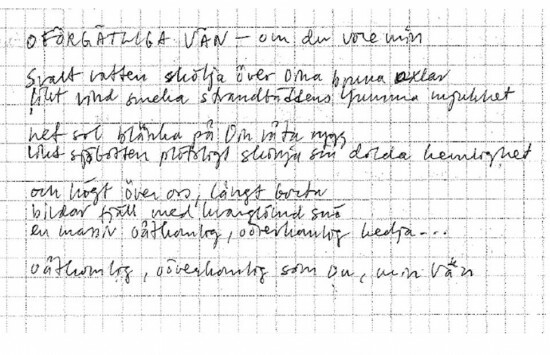
I wrote these lines somewhere around 1979–1980, when I was 16–17 or so, to a girl that I so much wanted to be mine. We were a group of girls who always hung out together in high school, but I wanted this girl in particular all to myself. I felt that the other girls were in the way all the time and took far too much of her attention. I could just imagine how they pulled her farther and farther away from me. With time I became so jealous and desperate that I went so far as to write her a poem, which I discreetly handed over to her at one point. Never before or since I have done anything as silly, but my only excuse is that necessity knows no law.
A few days later some of our mutual friends suddenly turned up and waved my poem threateningly in my face. Their accusation came in angry voices: “It’s a love poem, you’ve written her a love poem!” At that time in northern Sweden it was obviously “forbidden” for a girl to write a love poem to another girl. Indeed the general atmosphere was upset and it seemed as if I was guilty of some sort of “terrible crime”. So “terrible” in fact that it was impossible even to speak about it and it became something unmentionable. I would never have guessed, what an effective “intimidation-potential” I have always possessed? Their reactions seemed exaggerated to me, but at the same time I have to admit that I sure didn’t laugh my head off, after all I found myself in a tricky situation. From then on my friends and the girl in question avoided me, and I myself pretended that nothing had happened, which was a sort of tradition of self-preservation and self-protection I guess. As a diversion I tried my best to look like something from the movie Taxi Driver: “You talkin’ to me, you talkin’ to me?” Well to be honest it may not seem in retrospect to have been the best way of dealing with the situation. Eventually we all moved to Stockholm and they went on hanging out with each other, but their disapproval of me seemed to survive almost anything? To tell you the truth, at this point I would say that it was mutual: I never really made any effort to get in touch with them either. I have no contact with any of them today – a common fate anyhow when you outgrow each other for whatever reason – except for the very object of my former jealousy. She and I really have nothing in common any more, if we ever had. However, now and then, every two years or so, I get in touch with her just to see how she is doing. I guess it is just one of those old habits that you continue doing but which no longer serves any actual purpose.
I think that it’s very important that celebrities speak for the gay rights. I give my all to find these celebrities and to make them stand for the LGBT minority.
Simple and discrete symbol of my boyfriend and I getting married – not only same sex but also from very different parts of the world and very different cultures. Love makes everything possible.
Fotot är ett av ett sextiotal bilder som Stockholmspolisen fann hemma hos Carl von Platen år 1903, och som idag finns i Polismuseets samlingar. Anledningen till beslaget var att man med dåtidens ögon ansåg att bilderna var ett uttryck för homosexuella handlingar, vilka var förbjudna vid denna tid. Ser man fler av dessa beslagtagna fotografier ger de flera olika aspekter om samhället kring sekelskiftet 1900.
I made a seminar on safe sex for gay men in 2008 and understood how little gay men reflected about their lives. So I decided that it needed to be changed.
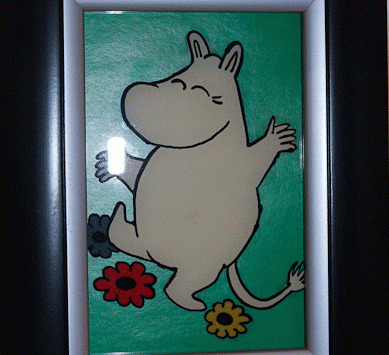
I made this Moomin picture for my girlfriend while I was waiting for her from her studies abroad. But it stayed with me because when she saw it she asked: “Why is the frame black?” I was looking for the frame to match the picture with the furniture in her house. She said: “We won’t have the furniture of such color in our house!” This was much more important than the frame.
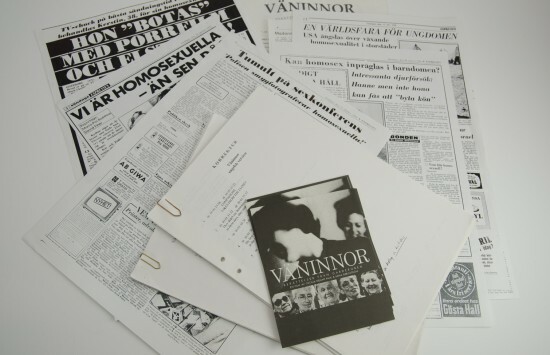
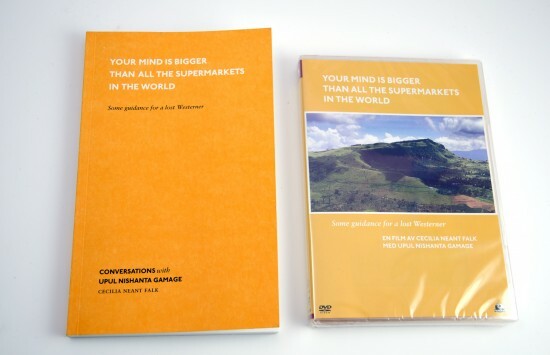
Research materials for the film Companions – Tales from the Closet A film by: Cecilia Neant-Falk and Nina Bergström In this film about homosexual love, we meet five women in their 70s who talk about their lives from the 1930s to the present day. With humor and feeling they tell us about their budding love affairs and encounters with women, but also about self-loathing and clandestine relationships. They have all had to face their own fear about being different and risked losing friends, relatives and colleagues for something that is important and beautiful for them, but ugly and strange to others.
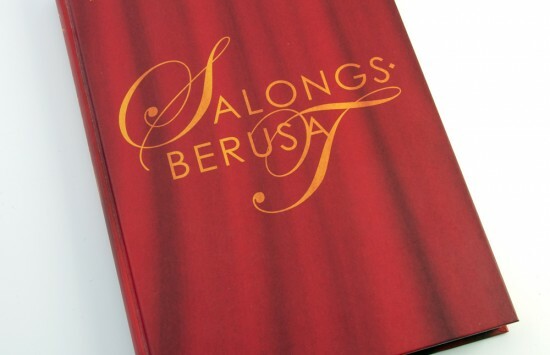
2003-2005 höll vi litterär salong på kafé Copacabana i Stockholm. Första lördagen varje månad körde vi ett queerfeministiskt kulturellt program tillsammans med en specialmeny från köket. Vi tryckte upp snygga program och biljetter och salongen blev snabbt en succé som pågick i två år. Den fyllde ett tomrum i Stockholm där många queerfeminister av olika kön kände sig hemlösa. Efter några år kontaktade vi alla medverkande och bad om bidrag till en bok: Salongsberusat (utkom 2011). Vi hade ett fantastiskt releaseparty i samband med Pride 2011 med författarläsningar av Sara Stridsberg, Beate Grimsrud och Evy Lewén på Copa och Bio Rio. Då visades även filmer av Anna Linder och Maja Borg och en fotoutställning av Casia Bromberg.
Show Me Love (Fucking Åmål) – for real. This is how Cecilia Neant-Falk’s film has been described. For three years she followed three girls in their coming out process. The girls participating in the movie filmed their daily life with video diaries that are combined with the director’s film material.
The image depicts logbooks and notes from the work with the film script.
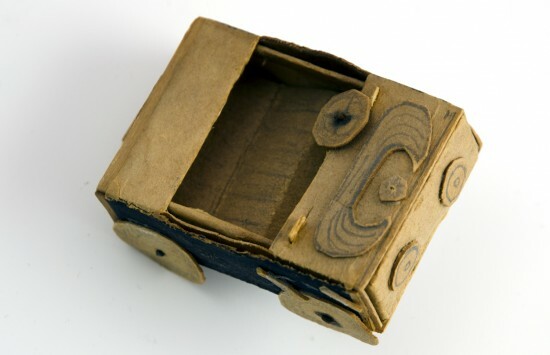
När jag var 8 år visste jag förstås inte vem jag var; men en dag blev jag häftigt förälskad i en jämnårig kille, en klasskamrat. En dag under en rast kysste jag honom häftigt på ena kinden. Han blev förskräckt och ryggade. Jag kunde aldrig glömma honom och under fortsättningen av mitt liv har jag sökt efter samma känslomässiga upplevelse. Den lilla tändsticksaskbilen som jag gjorde vid denna olyckliga tid symboliserar för mig en tung ensamhet och nedstämdhet. Jag gav den “registreringsnummer” 13. Det gick sedan flera år till dess min kärlek fann ett namn. Det var gay.
Guldbaggen komisk, tragisk, bisarr, praktfull-som filmens konstrika värld. Dess skimrande flykt-den löpande filmremsan. 2003 års guldbagge har av Svenska Filminstitutet tilldelats: Du ska se att det går över- bästa dokumentärfilm. Regi: Cecilia Neant-Falk.
Distribution: Folkets Bio
www.neantfalk.wordpress.com
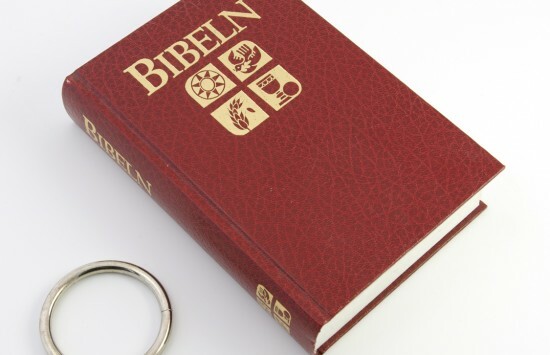
Två saker jag vill reklamera/lämna tillbaka men tidigare inte hittat något bra forum för. Tills nu. Jag tänkte att “Unstraight” är en bättre kontext för min aldrig öppnade konfirmationsbibel och en kukring som visade sig vara lite för stor.
Kombucha började framställas redan 220 f.Kr i Kina och kallades då för Livets Elixir. Tillverkas på ungefär samma sätt som öl och vin genom jäsning (fermentering). En kultur av mjölksyrabakterier placeras i ekologiskt te och under processen bildas bland annat antioxidanter, organiska syror, enzymer och b-vitaminer.
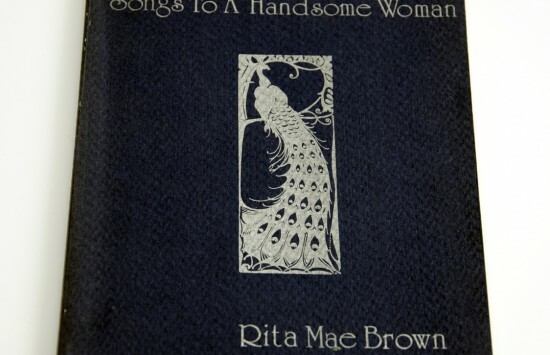
1973 Rita Mae Brown published a book of poems. She writes, To the handsome Woman: Slip this book inside your blouse To lie against your heart In innocence.
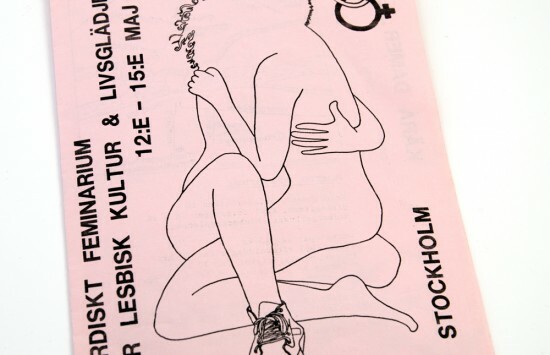
Nordiskt Feminarium för Lesbisk Kultur och Livsglädje pågick 12-15 maj 1983 i Stockholm. Med pengarna som blev över startade vi en fond som lesbiska kunde söka pengar ur för projekt som var i linje med lesbisk kultur och livsglädje.
I början på 1980-talet fanns spänningar mellan lesbiska kvinnor i RFSL och lesbiska feminister från kvinnohuset i Stockholm. Det fanns historiska skäl som bottnade i att lesbiska tidigare brutit sig ur RFSL som då var mansdominerat. Men en ny generation lesbiska såg inte längre dessa motsättningar utan ville göra något tillsammans som bejakade lesbisk kultur och livsglädje i Norden. Vi skapade en arbetsgrupp på 13 kvinnor som ordnade en festival med workshops och kultur. Lesbiska kom från alla olika nordiska länder utom Island.
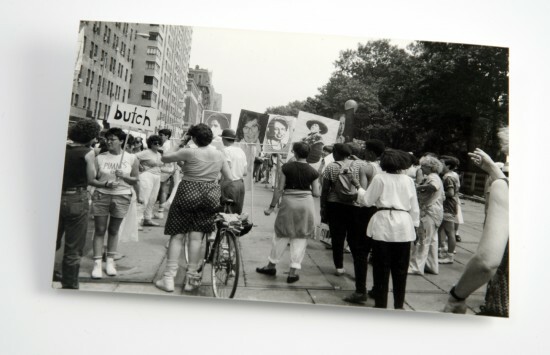
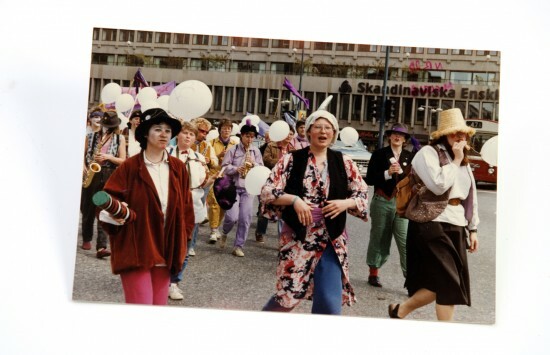
Den karnevalliknande demonstrationen var den första för endast lesbiska i Sverige – annars var frigörelsemarcherna som de hette på den tiden alltid blabdade med bögar, flator, bi:in och transpersoner.
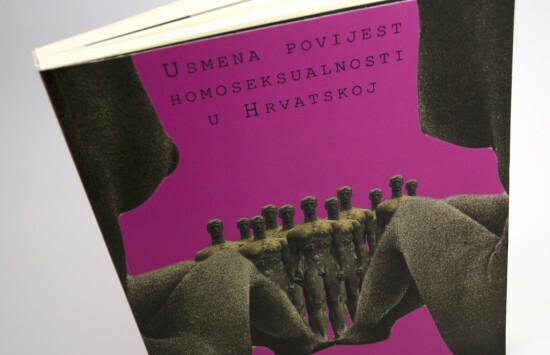
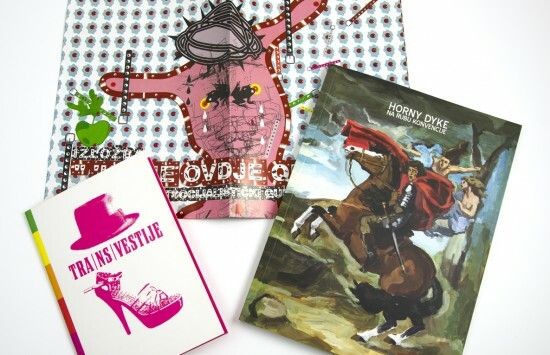
his book is a result of one year research on history of homosexuality in Croatia conducted in 2007. THis was the first comprehensive research on history of homosexuality in Croatia. The book was published by Queer Zagreb.
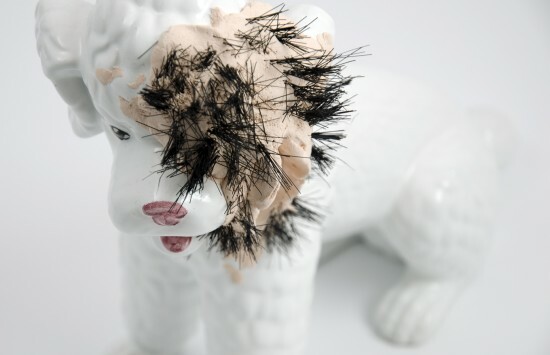
“Hund med fitta / Dog with Cunt”
Konstverk av Linda Spåman
Utsmyckning från HBTQ-festivalens (Göteborg) Rainbow Party 2012.
Linda gav mig detta konstverk 2012 och det bor numera på vårt kontor i Stockholm.
The first queer fairytailes book published in Croatia by Queer Zagreb. The book was result of public competition for he best fairytales held in 2005 in Croatia.
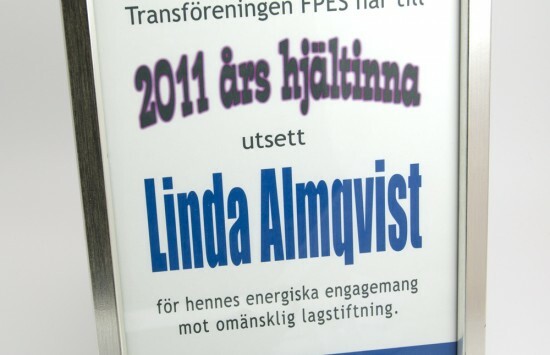
Under Pride 2011 gav Transföreningen FPES mig (som socialstyrelsens representant) diplomet för mitt arbete med att få till stånd en utredning om frågorna kring vård och behandling och de rättsliga förutsättningarna för en ny juridisk fastställelse.
When I was 12 years old I saw a picture of Michelle Pfeiffer from the movie “Batman returns”. She played the character Catwoman and I was in complete awe. She was a bullied, repressed woman who after years of oppression fought back and took revenge on the people who made her life a living hell. As a young boy that was struggling with bullying she represented so much that was going on within me. She became my hero and lifelong obsession. And in many ways, in that time, she was my only friend.
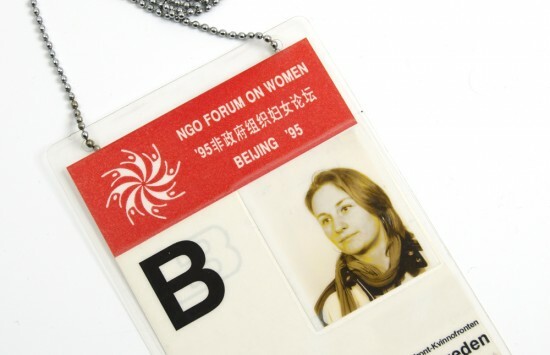
På NonGovermentOrganisations konferensområde utanför Peking 1995 stod även ett "lesbiska tält" – konstigt nog – fyllt med kinesiska män. Funderingar – hur kommer det sig att kinesiska män visar detta stora intresse? Någon svarade – är det inte hemliga polisen som vill skrämmas?
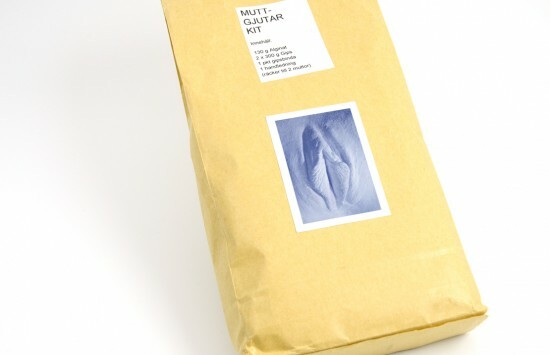
- Unstraight är framtiden. Jag hoppas ni vågar använda det, sa Ylva-Maria och lämnade en påse med verktyg för att göra avgjutning av damers genitalier Vid invigningen av pridehouse i Stockholm på Pride 2012 får The Unstraight museum sin första donation från invigningstalaren Ylva- Maria Thompson. Två dagar senare är det ännu inte använt. Men vi får väl se. Framtiden är ju vår…
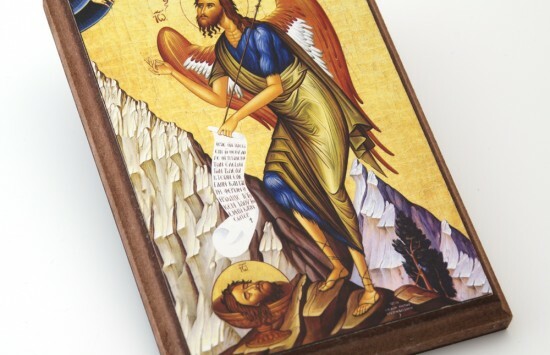
This icon was a gift from my mother when I was 12. When in bed, it was impossible for me not to see it, because it was hanged above my head. Always, before having sex, I took it down and put it in the drawer, thinking that the protector from the icon does not want to see two men sharing intimacy…
She was my first non-platonic love, the greatest so far. On that trip she introduced me to her parents. I never told her how I was asphyxiating from the looks of random passengers on that train, each and every one of them convicting, making me feel naked, treacherous. She wouldn’t understand me anyway, she walked through life with far greater self-confidence than me. I could do nothing more than follow her. To the next country, the next city, far away from here.
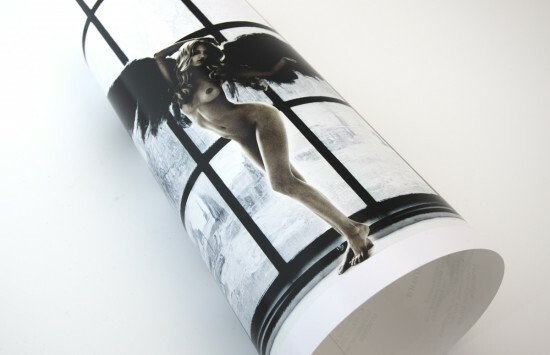
Denna bild är tagen i Katarina Kyrkas bakre fönster. Vi hade en timma på oss innan en begravning skulle hållas. Det var Februari månad, det var kallt, stressigt, jag svettades som en gris dock men till slut såg jag detta fönster som en drömsk uppenbarelse. Tillsammans med mitt gudomligt duktiga team: Nina Belkhir & Sherin på Hår&MakeUp, samt den GALEt vackra Theres Alexandersson-som även vann årets modell på ELLE-galan i år, så kirrade vi det galant, om jag får säga det själv. Så på en timme i bitande kyla men med vackra omgivningar och bra, duktiga människor, som alla ställde upp 100% gratis för det välgörande ändamålets skull, så lyckades vi fånga dagen!
Minnen från ett annorlunda Pride firande än hemma, Boston 2004.
Inga staket, inga avstängda områden med inträde, i paraden gick inte HBTQ utan de var publiken…
Det är förfest hemma hos en supporter till svenska transklubben Transvestia. Snart fortsatte festen på en lokal hyrd av Holländska ambassaden. Festerna var mycket diskret arrangerade. Det här var den första och den största festen. Jag tror vi var 30 deltagare.
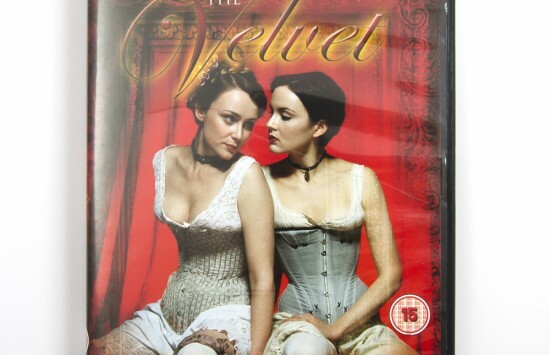
Det här är första gången jag ser en engelsk serie från BBC med en mustig tolkning av lesbiskt liv och leverne. Äntligen!
Den är gjord efter en bok av Sarah Waters. jag fick vänta till 2002 innan filmen kom.
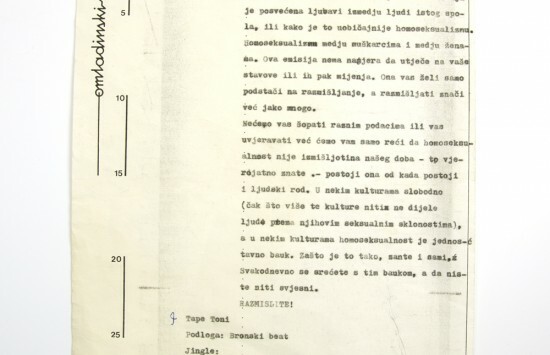
This is the first page of the manuscript of radio show “Frigid socket” run in late 80s on Radio 101. This was the first radio show edited by Toni Marosevic
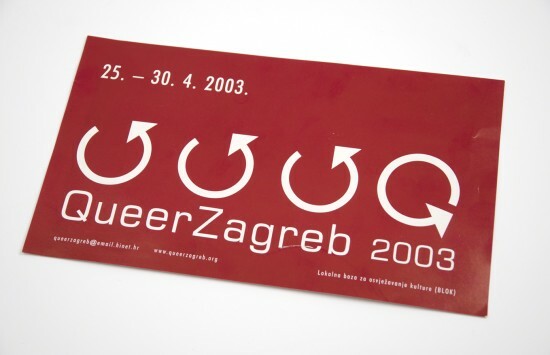
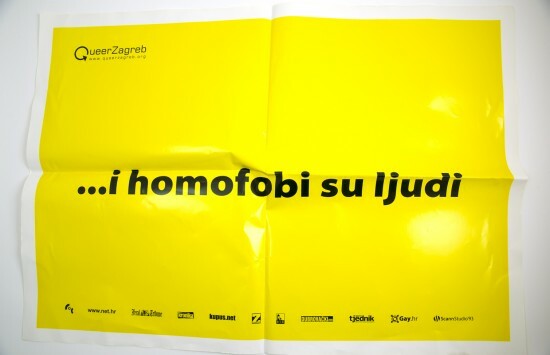
This posters presents a national campaign against homophobia conducted by Queer Zagreb festival in 2007. Campaign was targeting “homophobes” calling for major public to recognize homophobes as human beings who needs help to be cured.
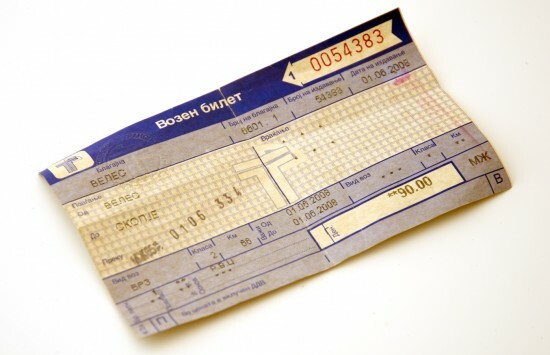
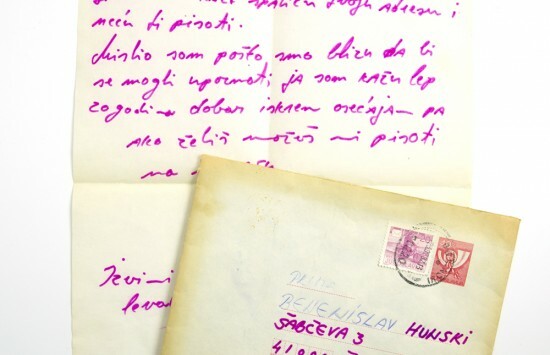
In Jugoslavija, before Internet, gay man were making contacts through advertisements in newspapers. This private letter between to men was donate to Queer Zagreb within the research on oral history of homosexuality in Croatia.
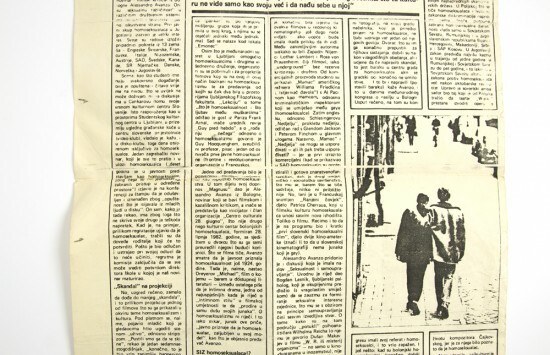
The newspapers report from the first Jugoslavian cultural project on homosexuality called “Homosexuality and culture” from 1984 held in Ljubljana, Slovenia.
This object was received during the creation of the book “Oral history of homosexuality in Croatia” and was given to us by Toni Marosevic. This is the first issue of Jugoslavija first gay magazine from 1985 published by Magnus – first Jugoslavian gay initiative
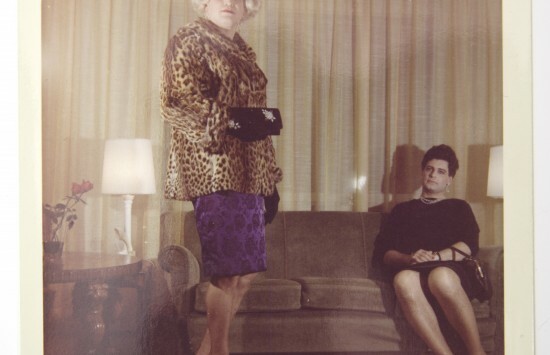
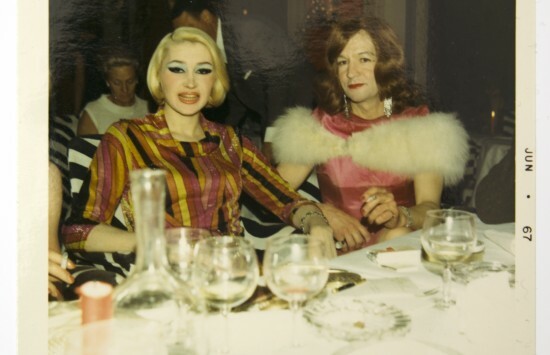
1967 äter svenska Klubb Transvestia middag med transor från Le Carroussel de Paris på hotell Strands restaurang i Stockholm. Det är den 19 maj och vårklänningarna glänser med franska finess. Till vänster på bilden sitter fransyskan Carole och till höger en medlem ur svenska Transvestia. Viva la trance!
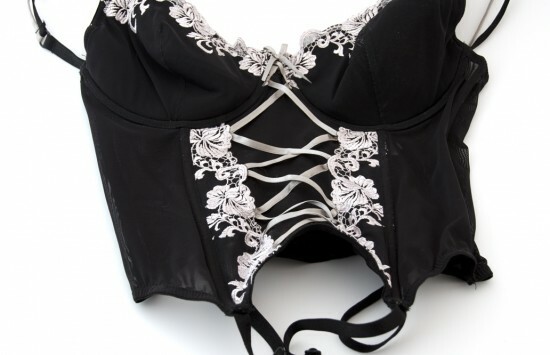
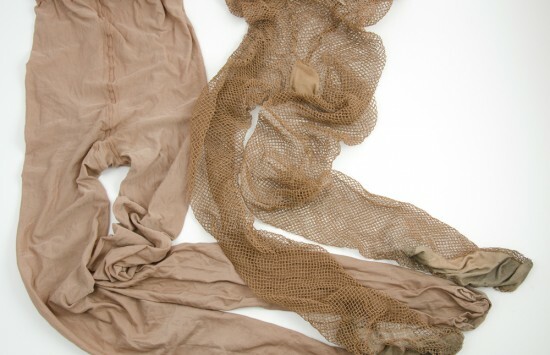
Trosor i guldlamé, klargul korselette, mellanröd korselette och en prickig behå. Detta är kvällens mode på klubb Transvestia en höstkväll 1967 i Stockholm. Svartvit bild men färgstarka minnen. Själv hade jag förstås vita bomullstrosor och underkjol. Lite präktigare..
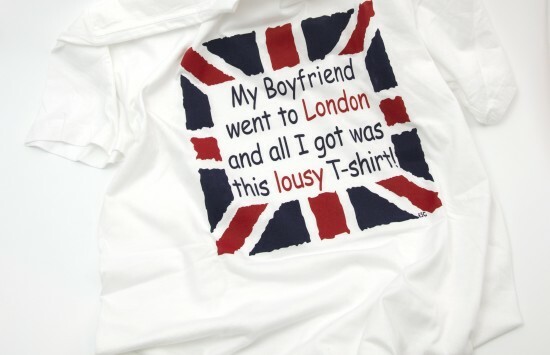
This t-shirt was bought in London, in june 1994. It was part of my coming-out process. At the time I had only told a few friends I was gay, and spending a month in London gave me a great opportunity to try my new identity out. I had never had a boyfriend at the time, but I got the brilliant idea of buying this t-shirt for myself, and wearing it as a public statement. However I did only wear it in London, when i got back to Sweden it suddenly felt embarassing.
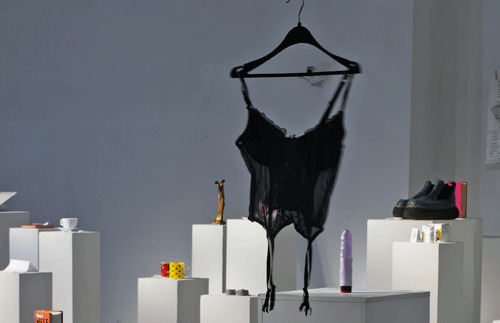
Sweets
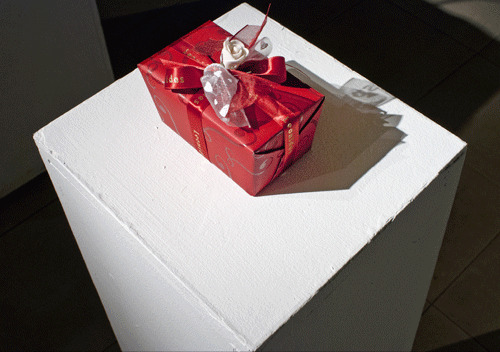
A Valentine’s Day gift that wasn’t meant to be
This wrapped gift is witness to the biggest disappointment in my life. The box contains Belgian chocolate bonbons – the favorite ones of the guy I was seeing. I met him 4 years ago, and recently we became even closer. Those were the best three weeks of my life! The beautiful SMS messages, minutes passed in waiting and sending off on bus stations, hugs and kisses in public which brought an unforeseen liberation of spirit…
All that was swallowed by the silence, that Saturday night, when we told me he was HIV positive. …
So, there it is – a Valentine’s gift that wasn’t meant to be.
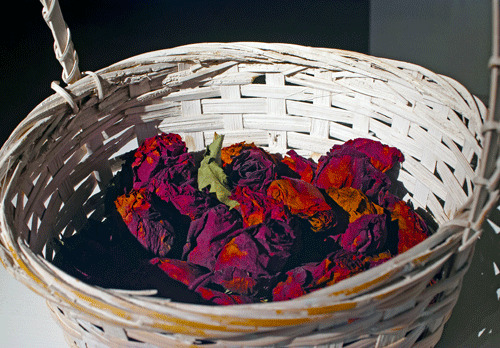
The waiting seemed to be prolonged. He arrived late – I think it was past 10 o’clock in the evening. I came down to meet him in front of the clinic. He took a white basket with beautiful red roses out of the car. There were 27 of them, the same as my age. We met the doctor while walking up the stairs, he smiled and asked her “How is S.?” We entered the room and I told him to sit on the chair, while I sat on the edge of the bed. Even despite trying to look calm, horrible restlessness was eating me from the inside. I gave him a glass of water and I didn’t wait any longer… “I had quite a disturbing day – various test, waiting for results and what not. But it was nothing compared with the two big shocks I experienced. The first one was that I am positive! … And the second – this was the moment I started to cry – is that I may have infected you too.” Still unaware of I was talking about, he stood up and hugged me. I hugged him back, pressing my head on his stomach. He asked me what was I talking about. “HIV! – I murmured, sobbing – When I found out about me, I didn’t cry at all… but when I faced the thought of you possibly being infected, I couldn’t recuperate any longer.” In all that agony, I was amazed by the courage with which he faced the news. He came by next morning to give a blood sample for an HIV test. We saw each other shortly and we could only wait, hoping for the unlikely. He came back that afternoon and told me to go down to the day care centre. He appeared calm. "We’ll get treated together!" – he said, smiling. I couldn’t hold back the tears, the last tears shed for this experience.
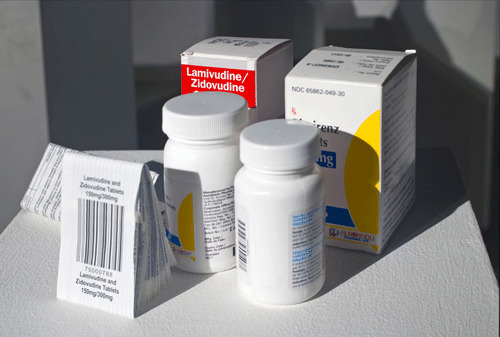
HIV treatment pills
latin name: remedia extraterrestrialia
July 15th, some years ago
When I was given the first two packs of therapy, only 17 days after finding out the diagnosis at the hospital, I was perplexed. It was difficult for me to believe that these were the medications intended for people with HIV. After a brief love experience, I was to take those medications every day, for the rest of my life. I was looking at them as if they were not of this world. I was reading the boxes the same way I read the package of a chocolate or whatever. The instructions seemed too long at that time, so I only read fractions of it. Such a long description seems to fit such a serious purpose – was how I thought then.
The names lamivudine and zidovudine reminded me of Africa, while efavirenz sounded more abstract.
I was warned that I might have a nightmare that first night. But on the contrary – the yellow pill caused one of the weirdest and most vivid dreams I have ever had.
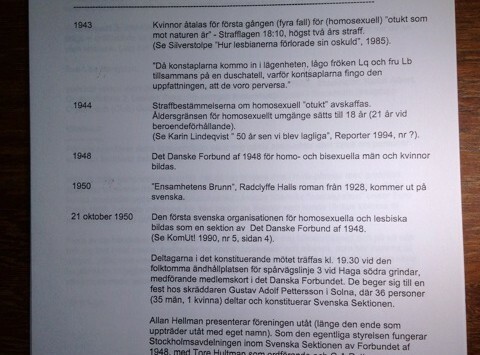
This is my text on Lesbian history in Stockholm, Sweden 1943-1998. I´v been a part of lesbian and trans history since the begining of 1960. This text was my gift to the lesbian community at Gay pride in Stockholm 1998. SthlmsLesbiskaHistoria
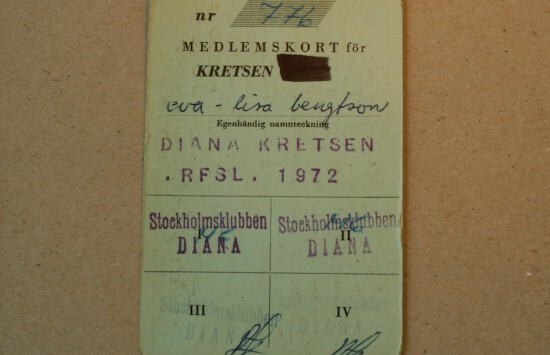
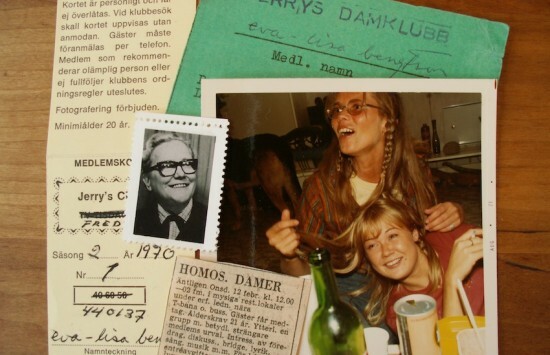
Membercard in "Stockholmsklubben Diana". Diana was the lesbian and bisexuals club for women. The mens club was called Kretsen. in 1972 the two clubs gets togheter and make klubb Timmy, for both women and men. Timmy becomes Stockholms part of national gay liberation assosciation, RFSL.
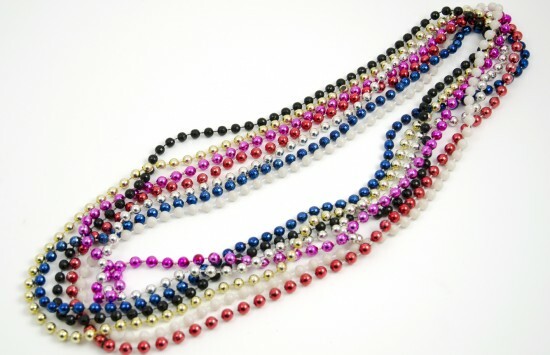
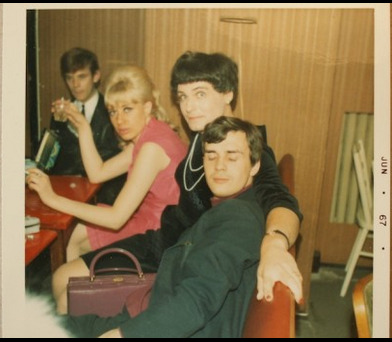
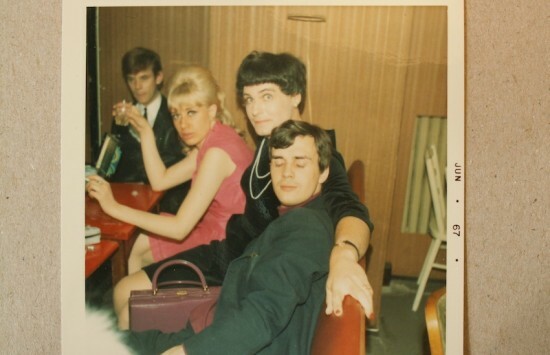
A picture of Party at club Blue Note, 1967, Stockholm, Sweden. This was one of many clubs that existed for a while in Stockholm in the late 1960´s. Diana Miller started it. She had a band that often played at the club. This is a picture of me and my friends. I wear my pearls. This might be the last night at Blue Note club.
I wrote a long letter to Jerry, who was a very butch and started Jerrys lady Club (Jerrys damklubbar) 1969, stockholm, Sweden. And Jerry welcomed me as a trans person to the club. And I felt like coming home. Jerry become my new mother. The club gave dances and we had a jukebox where women got a chans to get close to the sound of ”Je t´aime”.
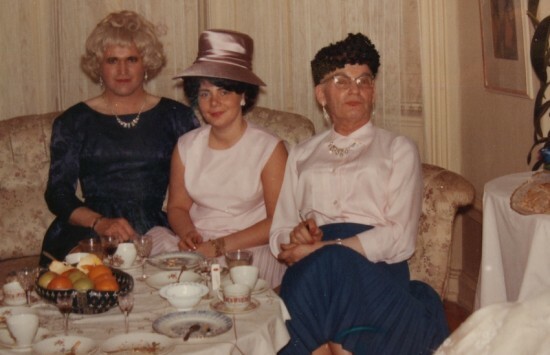
Swedens first trans club, Transvestia. It was a place for transvestites and transsexuals. But it became a hotspot for, drag queens, lesbians, queers, bisexuals and just about anyone with a open mind. The picture is from a private party whit members of Transvestia.
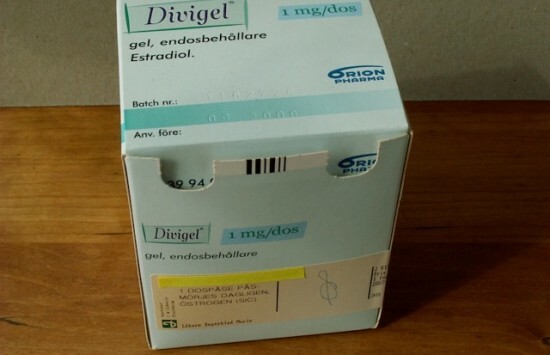
My story is that I have been on female hormones since 1966. In the beginning I had to get them on the black market. I´m 79 now and gets it from my doctor. Time has changed.